Thyroid Function and Alzheimer's
Older women who have high or low levels of the thyroid hormone TSH, even if in the normal range, have more than twice the risk for the development of Alzheimer's disease versus those with more moderate thyroid hormone levels.
The study was published in the July 28, 2008, issue of the Archives of Internal Medicine. According to Zaldy S. Tan, MD, MPH, of Beth Israel Deaconess Medical Center and Harvard Medical School in Boston, Massachusetts, "The most important thing to take away from this study is the question of whether our currently accepted standard of what normal thyroid levels are is too broad." However, he cautioned that these results are from an observational study and "so are not meant to be prescriptive in any way, and have to be validated in other populations and perhaps clinical trials to prove or disprove these associations."
Today, thyroid dysfunction is underdiagnosed in clinical practice, and some clinicians are advocating for more intense screening for thyroid problems, especially among older patients, said Dr. Tan. Some organizations have already formally questioned whether the currently accepted standard cutoff point should be narrowed for more optimal outcomes, he said. For example, the American Association of Clinical Endocrinologists has proposed modifying target thyrotropin levels from the widely accepted 0.5 to 5.0 mIU/L to the narrower range of 0.3 to 3.04 mIU/L.
Would maintaining a narrower range of thyroid hormone levels prevent Alzheimer's disease? This question will take some time to answer. Although thyroid dysfunction is linked to dementia, depression, and other cognitive problems, "whether maintaining hormone levels within limits will actually prevent dementia I think might be a big jump," said Dr. Tan. "That will have to be proven in clinical trials."
In the interim, with the preponderance of data suggesting that optimizing thyroid hormone improves heart health, energy, and mood and decreases the risk of heart attacks, if it were me I would add a trial of thyroid now in those with dementia, instead of waiting 20 years for the research Dr. Tan is hoping for.
References
Arch Intern Med. 2008;168:1514-1520.
Click here for more information (free registration required).
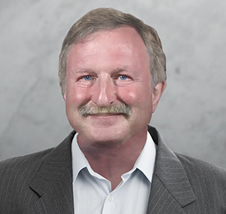
Jacob Teitelbaum, M.D. is one of the most frequently quoted post viral CFS, fibromyalgia, energy, sleep and pain medical authorities in the world. He is the author of 12 books including You Can Heal from Long Covid, the best-selling From Fatigued to Fantastic!, Pain Free 1-2-3, The Complete Guide to Beating Sugar Addiction, Real Cause Real Cure, The Fatigue and Fibromyalgia Solution, and the popular free Smart Phone app Cures A-Z. He is the lead author of eight research studies and three medical textbook chapters on effective treatment for fibromyalgia and chronic fatigue syndrome. Dr. Teitelbaum appears often as a guest on news and talk shows nationwide, including past appearances on Good Morning America, The Dr. Oz Show, Oprah & Friends, CNN, and FoxNewsHealth.
Websites: Vitality101.com | EndFatigue.com
Facebook Support Group: Recovering from Fibromyalgia, Chronic Fatigue, and Long COVID
Facebook Page | Instagram