Lying with Statistics - a Major Part of “Scientific Medicine”
One of the things that drew me to medicine was the importance of combining both the art and the science of medicine. In the ~ 3 decades since I finished medical school, most physicians have lost faith in their own ability to diagnose by listening to and examining the patient, and seen the average time allotted them per patient visit drop to around 4-7 minutes. Many have also forgotten about “bedside manner” and the ability of words to both harm and heal (to tell someone their condition is hopeless is both a lie and in the olden days was called “putting a curse on someone”). We now think we are relying on science (called “evidence-based medicine"), ignoring that science itself is telling us that it has been hijacked by drug company money and is no longer reliable. We will be discussing these important issues in more detail in upcoming newsletters as well.
More and more research shows that studies paid for by the drug companies (which nowadays are most drug studies) are simply not reliable. Yet, this is what most of “Modern Medicine” is now based on. The cost? Having one of the most expensive health care systems in the world, 100,000-200,000 US deaths from prescription medications yearly, and one of the least effective healthcare systems on the planet (rated 72nd in level of health—even worse than Albania).
One of the problems interfering with scientific objectivity is that drug companies usually only publish their positive studies. For example, the makers of Paxil and Prozac never published the third of the studies they ran, which had negative results.
In a January 2008 report in the New England Journal of Medicine, this issue was examined. In published trials, about 60 percent of people taking the drugs reported significant relief from depression, compared with roughly 40 percent of those on placebo pills. But when the less positive, unpublished trials are included, the advantage shrinks: the drugs outperform placebos, but by a very small margin. While 94 percent of the positive studies found their way into print, just 14 percent of those with disappointing or uncertain results did.
“This is a very important study,” said Dr. Jeffrey M. Drazen, editor in chief of The New England Journal. “When you prescribe drugs, you want to make sure you’re working with best data possible; you wouldn’t buy a stock if you only knew a third of the truth about it.”
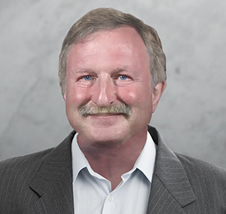
Jacob Teitelbaum, M.D. is one of the most frequently quoted post viral CFS, fibromyalgia, energy, sleep and pain medical authorities in the world. He is the author of 12 books including You Can Heal from Long Covid, the best-selling From Fatigued to Fantastic!, Pain Free 1-2-3, The Complete Guide to Beating Sugar Addiction, Real Cause Real Cure, The Fatigue and Fibromyalgia Solution, and the popular free Smart Phone app Cures A-Z. He is the lead author of eight research studies and three medical textbook chapters on effective treatment for fibromyalgia and chronic fatigue syndrome. Dr. Teitelbaum appears often as a guest on news and talk shows nationwide, including past appearances on Good Morning America, The Dr. Oz Show, Oprah & Friends, CNN, and FoxNewsHealth.
Websites: Vitality101.com | EndFatigue.com
Facebook Support Group: Recovering from Fibromyalgia, Chronic Fatigue, and Long COVID
Facebook Page | Instagram